
Aviary Mesh - Galvanised Welded Wire Mesh
-
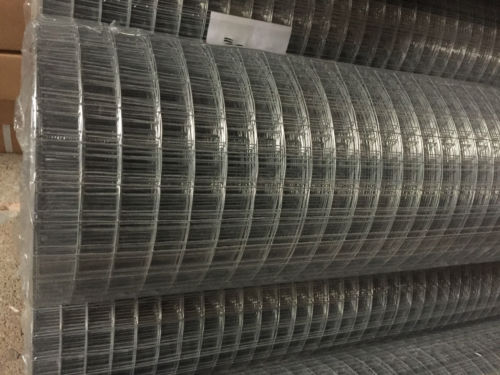
Aviary Welded Wire Mesh 1" x 1" 30M 20G 36"
Original price £65.00Original price £65.00 - Original price £65.00Original price £65.00Current price £60.00£60.00 - £60.00Current price £60.00next working daySquare Mesh Suitable for: AviaryChicken Coop Rabbit RunGarden Galvanised Welded wire mesh. High Quality Hot Dipped galvanised Welded Mesh. 1"x 1" M...
View full details -
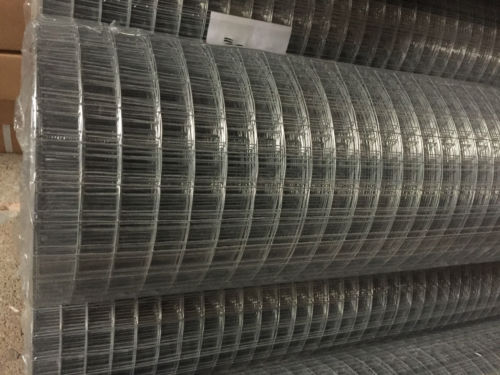
Aviary Welded Wire Mesh 1" x 1" 30M 48" 20g
Original price £75.00Original price £75.00 - Original price £75.00Original price £75.00Current price £69.99£69.99 - £69.99Current price £69.99next working daySquare Mesh Suitable for: AviaryChicken Coop Rabbit RunGarden Galvanised Welded wire mesh. High Quality Hot Dipped galvanised Welded Mesh. 1"x 1" M...
View full details -
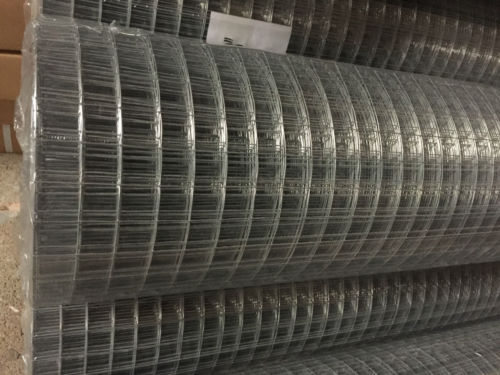
Aviary Welded Wire Mesh 1" x 1" 19G 30M 48"
Original price £85.00Original price £85.00 - Original price £85.00Original price £85.00Current price £77.00£77.00 - £77.00Current price £77.001 to 3 daysSquare Mesh Suitable for: AviaryChicken Coop Rabbit RunGarden Galvanised Welded wire mesh. High Quality Hot Dipped galvanised Welded Mesh. 1"x 1" M...
View full details -
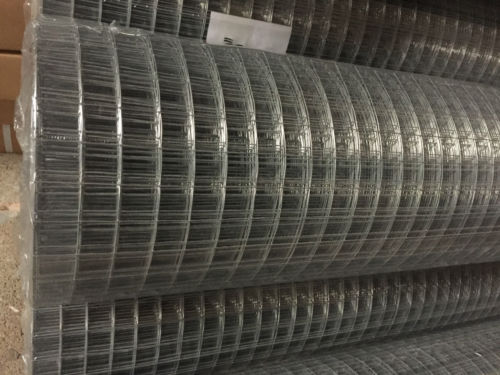
Aviary Welded Wire Mesh 1" x 1" 30M 19G 36"
Original price £69.00Original price £69.00 - Original price £69.00Original price £69.00Current price £64.00£64.00 - £64.00Current price £64.00next working daySquare Mesh Suitable for: AviaryChicken Coop Rabbit RunGarden Galvanised Welded wire mesh. High Quality Hot Dipped galvanised Welded Mesh. 1"x 1" M...
View full details -
Wire Mesh Netting PVC Coated small 13mm holes
Original price £68.00Original price £68.00 - Original price £68.00Original price £68.00Current price £60.00£60.00 - £60.00Current price £60.00next working dayWire Mesh Roll 30m 13mm x 13mm x 1 30m length PVC coated wire netting/mesh 19g Green in colour Just over 3ft in height

What is the difference between chicken wire and aviary wire mesh?
Chicken wire is the traditional hexagonal mesh. It is lightweight and easy to handle, but can be pulled apart or bitten through by a determined fox.
Aviary wire (also called weld mesh) is welded at every intersection, making it significantly stronger and far more suitable for a genuinely predator-resistant run.
What gauge and aperture do I need to keep foxes out?
A 19-gauge welded mesh with a 25mm x 25mm aperture is the standard recommendation for fox resistance. Stepping up to 16-gauge adds further strength if you want extra security. The lower the gauge number, the thicker and stronger the wire.
What mesh size will stop rats getting through?
Rats can squeeze through gaps larger than around 12 to 13mm. If rats are a concern, choose a mesh with a 13mm aperture. This is also the right choice if you are housing young chicks, who need protection from smaller predators as well.
How do I cut aviary wire without leaving dangerous sharp edges?
Use heavy-duty wire cutters or bolt croppers and cut at the welded intersections rather than mid-span. Cutting at the intersections leaves a neater edge and avoids protruding sharp ends. Always wear thick work gloves when cutting and handling the wire.
How do I work out how much wire I need?
Measure the full perimeter of your run, including the height if you are panelling the sides. Add around 10 percent for overlaps and fixing points. If you plan to bury a skirt around the base, add that separately. The roll dimensions on each product page show exactly how much wire each roll contains.
Can I bury aviary wire to stop predators digging under the run?
Yes, and we strongly recommend it. A horizontal wire skirt buried 30 to 50cm around the outside of the run is one of the most effective ways to stop foxes and badgers digging underneath. It is the horizontal extent of the skirt that deters the predator, not the depth.